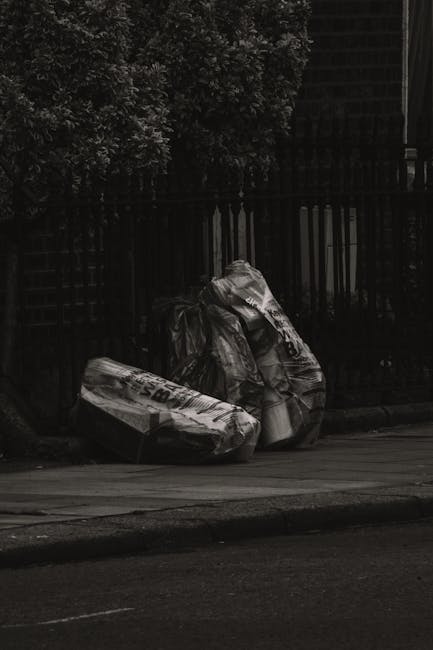
Blackheath Common bulky rubbish pickup tips and costs

If you are trying to get rid of a sofa, mattress, broken wardrobe, or a pile of awkward household items near Blackheath Common, the process can feel more confusing than it should. The good news is that Blackheath Common bulky rubbish pickup tips and costs are straightforward once you know what affects the price, what to prepare in advance, and when a professional clearance makes more sense than a do-it-yourself run. This guide walks you through the practical side of bulky waste removal in plain English, with a focus on saving time, avoiding surprises, and making a sensible decision.
Truth be told, most people do not need a complicated explanation. They just want to know: what counts as bulky rubbish, how pickup works, what it might cost, and how to avoid paying more than necessary. That is exactly what follows.
Why Blackheath Common bulky rubbish pickup tips and costs Matters
Bulky rubbish is different from everyday bin waste. It is bigger, heavier, messier, and usually harder to move safely. A worn-out armchair, a couple of old drawers, a rusty bike, or a broken freezer can suddenly turn into a small project. Around Blackheath Common, where parking, access, and timing can matter, planning ahead is often the difference between a smooth pickup and a frustrating one.
Cost matters too, and not just in the obvious way. A quote that looks low at first can become expensive if access is poor, the rubbish is mixed with other materials, or extra lifting is required. On the other hand, over-preparing or choosing the wrong service can waste money. So yes, this topic matters because it sits right at the point where convenience, safety, and price all meet.
You will also notice that bulky rubbish pickup is rarely just about disposal. It is about protecting floors during removal, checking whether items can be reused or recycled, and keeping the job lawful and tidy. That last part gets overlooked more often than people think.
For a broader overview of clearance services that handle mixed domestic and property waste, it can help to look at the wider waste removal options available locally, especially if your load includes more than a single sofa or mattress.
How Blackheath Common bulky rubbish pickup tips and costs Works
In most cases, bulky rubbish pickup works in one of three ways: you book a council collection, you hire a private clearance team, or you move the items yourself to a waste facility. Each route has different strengths. The best one depends on how many items you have, how quickly you need them gone, and how much lifting you can realistically manage. Let's face it, a two-man lift sounds easy until you meet the third-floor landing and the item catches on the bannister.
Private bulky rubbish pickup usually starts with a description or photo of the items. The provider then estimates the time, labour, vehicle space, and disposal requirements. If the items are accessible and neatly grouped, pricing is usually more predictable. If they are in a basement, loft, or tight flat with stairs, the job takes more time and effort, so cost can rise.
Council collections can be suitable for smaller volumes and if you are not in a rush. They may be cheaper in some cases, but they often come with fixed rules on what is accepted, how items must be presented, and when collection slots are available. Private services tend to be quicker and more flexible, especially if the rubbish needs same-day handling.
There is also an important quality difference. A good clearance provider does more than simply load a van. They sort items for reuse or recycling where possible, separate different waste streams, and leave the area swept up rather than half-finished. If you are dealing with old furniture as part of a larger clear-out, the dedicated furniture clearance and furniture disposal pages are useful for understanding how those jobs are commonly handled.
For larger clearances involving multiple rooms, it may also be worth considering home clearance or even house clearance if the bulky rubbish is part of a bigger project.
Key Benefits and Practical Advantages
The biggest benefit is simple: you get space back. A cleared hallway, spare room, garage, or garden can change how a home feels immediately. The room is lighter. Easier to move through. Less stressful. Small thing, but not really small when you live with clutter day after day.
- Less lifting stress: You avoid dragging heavy items yourself and reduce the risk of injury.
- Faster turnaround: A well-organised pickup can often be completed much more quickly than DIY disposal.
- Better sorting: Items may be separated for reuse, recycling, or disposal rather than all being treated the same.
- Cleaner finish: The best services leave the area presentable, not just emptied.
- More accurate budgeting: Once you understand what affects cost, you can compare quotes more fairly.
There is also a mental benefit people underestimate. Getting rid of a broken wardrobe that has sat there for months, or finally clearing the garage so you can park properly, removes a constant little annoyance. You feel it every time you walk past, even if you do not say it out loud.
If your bulky waste came from a renovation, the builders waste clearance service can be relevant too, especially where wood offcuts, broken fixtures, and packaging need to be taken together.
Who This Is For and When It Makes Sense
Bulky rubbish pickup makes sense for a wide range of people. Some are in the middle of a house move. Others are clearing a flat after tenants leave. Some are simply tired of the garage being used as a storage cave for things nobody has touched since 2018. It happens.
Typical situations include:
- Replacing old furniture and wanting the old pieces removed quickly
- Clearing a loft, shed, or garage after a long build-up
- Dealing with an end-of-tenancy clean-out
- Removing awkward items that do not fit normal bin collection
- Preparing a property for sale or letting
- Handling mixed waste from home improvements or garden work
If you live in a flat, access can be the deciding factor. Narrow stairs, shared entrances, lift restrictions, and parking rules all affect the job. In those cases, a service designed for difficult access can be helpful. The flat clearance page is especially relevant if you are dealing with multi-storey access and a mix of furniture and household waste.
For people clearing out more than just one or two items, a structured approach is usually the calmest one. You sort first, then price, then book. Not the other way round.
Step-by-Step Guidance
Here is the process I would suggest if you want to keep bulky rubbish pickup simple and avoid overpaying.
- List every item. Be specific. "Old furniture" is not enough. Note whether it is a sofa, wardrobe, bed base, mattress, fridge, or mixed junk.
- Separate by type if you can. Furniture, electrical items, garden waste, and construction debris may be treated differently. That affects pricing and handling.
- Check access. Ask yourself whether the items are on the ground floor, in a loft, down a narrow staircase, or parked outside already. Access changes labour time.
- Take clear photos. Good photos make quotes more accurate. Include a wide shot and a close-up if items are bulky or damaged.
- Ask what is included. Does the price cover labour, loading, disposal, sweep-up, and congestion or parking complications? It should be clear.
- Compare like for like. Two quotes are only comparable if they cover the same scope. Otherwise you are comparing apples and pears, which is never useful.
- Choose the pickup window carefully. Pick a time when the items are ready and access is open. Sounds obvious, but people do forget.
- Confirm what stays behind. If some items are being kept, label them or move them aside early so nothing gets lifted by mistake.
A small real-world detail matters here: if you are clearing a room in winter, it is often easier to stage items near the exit the day before. Early morning pickups can be brisk, the floor is cold, and nobody enjoys hauling a mattress around while trying not to wake half the street.
Expert Tips for Better Results
There are a few habits that consistently help keep costs down and results tidy.
- Bundle similar items together. A single grouped load is usually easier to handle than scattered pieces across the property.
- Be honest about volume. Understating the load often leads to a revised quote on arrival. Better to be precise from the start.
- Leave pathways clear. Even a few minutes spent moving shoes, plant pots, or boxes out of the route can save a lot of lifting time.
- Ask about reuse and recycling. A responsible provider should be able to explain how items are sorted, especially reusable furniture and metals.
- Plan around parking. On busy roads or near common areas, parking can affect the job more than people expect.
- Keep paperwork simple but present. If you need proof of service for a landlord, agent, or business record, ask for it upfront.
One good habit, slightly boring but very effective, is to take your own "before" photo. It helps if there is any question later, and it gives you a satisfying record of the transformation. Tiny win, but still a win.
If your bulky rubbish is mixed with stored odds and ends, the garage clearance and loft clearance services can provide a clearer picture of how mixed-access jobs are usually managed.
Common Mistakes to Avoid
The most expensive mistakes are often the easiest ones to avoid.
- Not measuring large items. A sofa or wardrobe may look simple, but dimensions matter when getting it out of the property.
- Leaving everything until the pickup day. Sorting on the fly slows the job and can make the quote less accurate.
- Ignoring hidden extras. Stairs, long carries, restricted access, and parking all affect effort.
- Mixing waste types without mentioning it. A load with garden waste, furniture, and rubble is not the same as a single-category pickup.
- Choosing only on price. Cheapest is not always cheapest once extra charges appear later.
- Forgetting about reusable items. If something still has life left in it, it may be better handled separately.
Another common problem is assuming every bulky item is accepted in exactly the same way. That is not always true. A mattress, fridge, wardrobe, and broken shelving all bring slightly different handling issues. Nothing dramatic, just enough to change the quote and the plan.
Tools, Resources and Recommendations
You do not need a van full of specialist equipment to prepare for bulky rubbish pickup, but a few basic tools make things easier.
- Measuring tape: Helps check whether large items will fit through hallways and doors.
- Marker labels: Useful for separating items to keep, move, or remove.
- Basic gloves: Good for dust, splinters, and rough edges.
- Phone camera: Best tool for sending accurate item photos for a quote.
- Sturdy sacks or boxes: Handy for loose contents, small parts, or fixings.
For customers comparing service levels, the clearest next step is often to review pricing and quotes alongside the company's broader about us information. That gives you a better sense of how the work is handled and how pricing is explained.
If your main concern is sustainability, look at the provider's approach to recycling and sustainability. The best services are open about sorting, reuse, and recovery rather than treating everything as mixed rubbish.
And if payment security or booking confidence matters to you, it never hurts to check the company's payment and security information before you commit.
Law, Compliance, Standards, or Best Practice
When you arrange bulky rubbish pickup in the UK, the main thing to remember is that waste must be handled responsibly and passed to someone who is allowed to carry and dispose of it properly. You do not need to be an expert in waste law, but you do need to know that handing rubbish to the wrong person can create problems later.
Best practice usually means three things: the items are described honestly, the provider explains how waste will be handled, and any useful paperwork or confirmation is kept on file. For households, this may be simple. For businesses, it is often more important to keep records and use a provider that understands commercial waste responsibilities.
If you are clearing a workplace, storage unit, or office, the rules and expectations can be a bit different from a domestic job. In that case, the business waste removal and office clearance pages are worth reviewing because they speak to the more formal side of disposal and collection planning.
Also, be careful with items that may require extra handling, such as fridges, freezers, or electrical equipment. These are not problems in themselves, but they should be identified clearly so the job is managed properly. Same with anything sharp, contaminated, or awkwardly heavy. A little honesty goes a long way.
Options, Methods, or Comparison Table
There is no one-size-fits-all answer. The right option depends on urgency, item volume, access, and your budget. Here is a simple comparison that may help.
| Option | Best for | Typical strengths | Watch-outs |
|---|---|---|---|
| Council bulky waste collection | Smaller domestic loads, flexible timing | Can be cost-effective and straightforward for limited items | May have stricter item rules, longer wait times, and limited slots |
| Private bulky rubbish pickup | Fast, convenient removal with access challenges | Often quicker, more flexible, and suited to mixed loads | Price varies with volume, labour, and access conditions |
| DIY disposal | People with a vehicle, time, and safe lifting help | Potentially economical for small amounts | Heavy lifting, travel time, loading effort, and disposal rules can make it harder than expected |
If the items are mostly old household furniture, a service centred on furniture clearance is often the cleanest fit. If you are clearing a room or several rooms as part of a move, house clearance may be the more efficient option. It depends on the shape of the job, not just the number of items.
In many real situations, the deciding factor is not just price. It is the difference between a job done in one visit and a weekend lost to repeated trips. That alone can change the maths quite a bit.
Case Study or Real-World Example
Imagine a Blackheath Common homeowner clearing a spare room after a long-delayed refresh. The room contains a double mattress, an old wardrobe, a bedside table, two broken chairs, and a few bags of mixed clutter. None of it is especially hazardous, but the wardrobe is awkward and the stairwell is tight.
The first instinct might be to hire the cheapest pickup seen online. But once access, lifting effort, and item type are considered, the quote may change. If the items are neatly grouped by the door and the route is clear, the job may stay simple. If the wardrobe has to be dismantled, or if the items are on an upper floor with limited parking outside, the time and cost rise.
In this kind of scenario, a practical provider will usually ask for photos, clarify access, and explain what the quote includes. The customer saves time by preparing the room in advance and removing any keepers from the pile. It sounds minor, but it matters. The pickup is quicker, the quote is more reliable, and the room is done by lunchtime rather than dragging into the afternoon.
For a slightly different example, consider a tenant move-out where a flat leaves behind a bed frame, an office chair, and several boxes of mixed belongings. That situation may be more appropriate for flat clearance than a one-off item collection because the work is broader than it first appears.
Practical Checklist
Use this checklist before booking your pickup.
- List each bulky item clearly
- Separate items to keep from items to remove
- Measure oversized furniture and check doorways
- Take photos in good light
- Note stairs, lifts, narrow passages, or parking issues
- Ask what the quote includes
- Check whether extra labour charges could apply
- Confirm whether reusable items may be sorted separately
- Choose a collection time when access is easy
- Keep confirmation or invoice details for your records
Quick expert summary: The cheapest bulky rubbish pickup is not always the best value. The best value is the one that gives you a clear price, handles access properly, and removes everything safely the first time.
If you are still weighing your options, it can help to review the company's insurance and safety information as well as the health and safety policy. That is a sensible check for any job involving lifting, loading, or tight access.
Get a free quote today and see how much you can save.
Conclusion
Bulky rubbish pickup around Blackheath Common does not need to be stressful. Once you know what affects the cost, how access changes the job, and which service type matches your situation, the decision becomes much easier. The aim is not just to get rid of clutter. It is to do it safely, cleanly, and without paying more than you need to.
Start with a clear list, take a few photos, and compare like for like. If the load is modest, simple, and easy to reach, you may have several good options. If the job is awkward, time-sensitive, or part of a larger clear-out, a more flexible pickup service can save a lot of hassle. And honestly, sometimes that peace of mind is worth more than shaving a few pounds off the bill.
When the space is finally clear, even the air in the room feels different. That is the part people remember.
Frequently Asked Questions
What counts as bulky rubbish for pickup?
Bulky rubbish usually means large household items that do not fit in standard bins, such as sofas, mattresses, wardrobes, tables, broken appliances, and similar oversized waste.
How much does bulky rubbish pickup cost in Blackheath Common?
Costs vary depending on the number of items, how heavy they are, access to the property, and whether the waste needs sorting or special handling. A small, easy collection costs less than a multi-item job from a top-floor flat.
Is it cheaper to use council collection or a private pickup service?
It depends on the job. Council collections can be economical for limited items, while private services are often better value when you need speed, flexible timing, or help with awkward access.
Can I leave bulky items on the pavement?
Usually no, unless you have arranged collection and followed the relevant rules. Leaving items out without a plan can create complaints, safety issues, or possible penalties. Always check the proper process first.
What affects the final quote the most?
The biggest factors are item volume, weight, how easy the items are to reach, and whether they can be carried out quickly. A clear driveway is very different from a cluttered third-floor staircase, obviously.
Do I need to move the items outside before collection?
Not always. Many pickup services collect from inside the property as long as access is safe and agreed in advance. If you can stage items near the exit, though, that often helps keep the job simpler.
Can bulky rubbish include garden waste or builders waste?
Sometimes yes, but it may be priced or handled differently from furniture or household clutter. Mixed loads can be accepted, but it is best to describe them clearly before booking.
What should I do with reusable furniture?
If items still have life left in them, ask whether they can be separated for reuse or a more suitable clearance route. It is often a better outcome than sending everything away as mixed rubbish.
How do I avoid surprise charges?
Be accurate about what you have, send photos, mention access issues, and ask what the price includes. A transparent quote is usually the best protection against awkward extras later.
Is bulky rubbish pickup safe for heavy items like wardrobes or fridges?
It can be, provided the items are handled by people with the right equipment and experience. Heavy or awkward objects should be disclosed upfront so they can be moved safely.
What if I am clearing a whole property rather than just one item?
If the job is larger, a broader service such as home clearance, house clearance, or even office clearance may be more efficient than booking separate bulky item pickups.
How can I prepare my bulky rubbish pickup to go smoothly?
List the items, take photos, clear access routes, separate what is staying, and confirm the collection details in advance. A little preparation makes the whole thing much easier, and you will feel that difference on the day.