Garden Clearance in Blackheath

Garden clearance in Blackheath should leave an outdoor space ready for practical use, not just looking tidier for a day. We clear unwanted garden waste, cut back bulky overgrowth where it has become unmanageable, remove awkward items from sheds and borders, and deal with the mixed debris that builds up after a season of neglect. The work is organised to suit the site, whether the garden needs a full clear-out or a focused removal of specific materials.
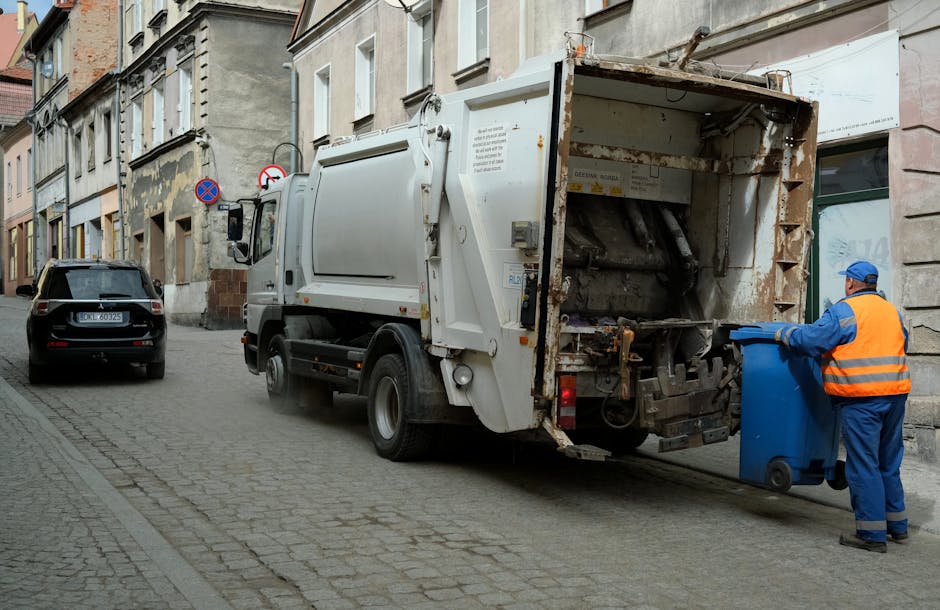
Our garden clearance service covers common outdoor waste such as branches, hedge cuttings, leaves, soil, old planters, broken fencing and general garden rubbish. Where access is straightforward, we can work efficiently around paths, side entrances and rear access points. If the clearance includes larger or heavier items, such as a rotted timber structure or stacked outdoor furniture, we separate the job into manageable stages so the removal is sensible and safe.
Many customers want a clear result without unnecessary disruption. That usually means the right level of clearance, sensible handling of waste and a straightforward quotation process. If you are comparing options, start by identifying what needs taking away, what can stay, and whether the space needs a complete tidy or a more targeted removal. You can call for a quotation when you are ready, or simply gather the details first and decide after that.
What our garden clearance service includes
Garden clearance is rarely one single task. In some properties, the main issue is a heavy build-up of cuttings after pruning and seasonal work. In others, the challenge is a garden that has accumulated old pots, damaged edging, soil bags and general outdoor clutter over time. We clear those materials in a practical order so the usable parts of the garden are not disturbed more than necessary and the waste is taken away in one organised visit.
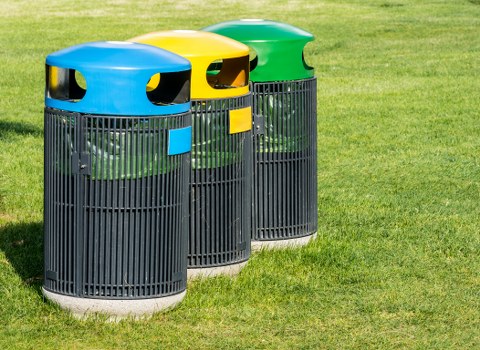
Typical jobs include clearing beds and borders, lifting loose green waste, removing piles of branches and taking away items that no longer serve a purpose in the garden. When the work involves mixed waste, it helps to sort materials into broad groups before removal. Green waste, recyclable hard items and general rubbish are handled differently where that improves the efficiency of the clearance and supports responsible disposal. If the site has narrow access or a shared path, those details are useful when planning the work.
Garden waste and outdoor clutter
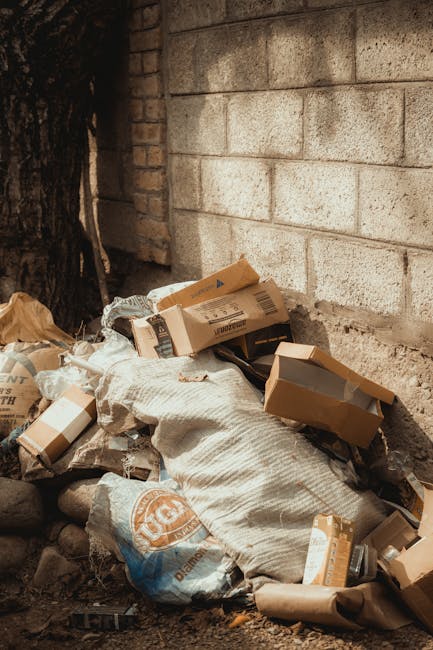
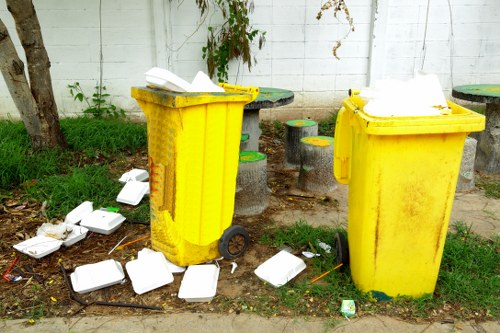
Our clearance work is suited to both tidy-up jobs and more substantial clearances. A neglected patch of ground can contain a surprising mix of debris: broken containers, faded toys, cracked compost bags, leftover timber and cut vegetation all in one corner. Clearing these items carefully creates a more workable outdoor area and makes it easier to see what still needs attention afterwards. If there is soil, rubble or other heavier material to remove, that can be considered as part of the same job where appropriate.
Handling overgrowth, branches and bulky garden material
Where a garden has become overgrown, the clearance often begins with cutting back material so waste can be moved safely. Bramble, tall grass, ivy and low branches can restrict access to sheds, side passages and seating areas. Once those obstacles are reduced, larger quantities of garden waste can be gathered and removed with less disturbance to surrounding features. This is useful when the aim is to restore order before any further gardening, repair or landscaping work takes place.
Bulky branches and hedge trimmings need a different approach from light green waste. They take up more space, can be awkward to stack and often need to be broken down before loading. Our service is designed for that kind of practical handling, especially where the clearance includes mixed-size material. If the job also includes rotting timber, old trellis or dismantled raised-bed pieces, those items can usually be removed in the same visit once the scope is agreed.
For customers who want to get started quickly, the most helpful information is simple and specific: what is to be removed, whether anything is staying, and whether the site has any access limitations. Two or three clear photos can help describe the scale of the work, but they are not essential unless they make the quotation easier to understand. If you prefer, you can request a quotation after outlining the main items only and add further detail later.
Clearance for sheds, corners and storage areas
Garden clearance often includes more than visible plants and leaves. Sheds, corners behind garages, narrow strips beside fences and storage spaces under outdoor stairs can collect unwanted items over time. We clear garden-related clutter from those areas when it is part of the job, including broken tools, cracked pots, spare timber, packaging and other materials that have ended up outside. A focused clear-out of these spaces can make the whole garden easier to use and easier to maintain.
Where the garden includes a shed or similar structure, the scope of work should be set out clearly. Some customers want the contents removed before the building itself is dealt with; others only need the space emptied and the material taken away. We keep the work practical and do not assume anything about what should stay in place. If there are fragile surfaces, loose steps or uneven paving, those features are worth noting in advance so the clearance can be planned around them.
- Loose garden waste and cuttings
- Branches, hedge trimmings and small tree debris
- Old pots, trays and broken planters
- Outdoor clutter from sheds and borders
- Light dismantled timber and similar garden materials
Choosing the right level of clearance

Not every garden needs the same level of attention. A smaller job may involve only one corner, a side return or a single build-up of cuttings, while a larger clearance may include several areas across the property. The useful question is not simply how much is there, but what outcome you need. Some customers want a fully cleared garden ready for follow-on work, while others only need the waste removed from a specific section that has become unusable.
It is also worth thinking about what should not be moved. A good quotation depends on the difference between items to be taken away and items that are staying for later use. If there are pots to keep, timber to reuse or stored materials that should remain in place, that helps define the job. Our team can work to that kind of brief and avoid removing items that belong to another part of the garden plan.
When you are ready, a short written summary is often enough to begin the process. Tell us what type of clearance you need, note any awkward access and mention whether the waste is mainly green material or a mixed load. If you would like to move forward, make an enquiry for a quotation and we can discuss the scope in more detail.
What affects the quotation
Garden clearance pricing usually depends on the amount of material to be removed, the type of waste involved and how easy it is to load and carry it away. A light collection of cuttings will differ from a mixed clearance that includes branches, soil, timber and general outdoor rubbish. The layout of the site matters too, because narrow access, steps, distance from the waste pile to the vehicle and the need for sorting can all affect the work involved.
Another factor is whether the job is a simple removal or part of a wider tidy-up. Some gardens need the waste cleared from all borders and paths; others only need one or two piles taken away after trimming or dismantling. If the area has been allowed to build up over time, it can help to break the job into sections so the quotation reflects the actual scope rather than a broad assumption. That makes it easier to compare options on a fair basis.
Useful details to include
Before you ask for a quotation, it is helpful to note the main waste type, the approximate amount and any access issues. If the site contains thorny growth, heavy branches or items that need dismantling, mention that too. These practical details allow the clearance to be planned sensibly and keep the discussion focused on the work itself rather than guesswork. A clear description usually leads to a clearer quotation.
Garden clearance for tidying, recovery and follow-on work
Some customers want clearance because the garden has become untidy after a busy season. Others need the space recovered after building work, pruning, rearrangement or general neglect. In either case, clearing away the unwanted material is often the first stage in making the area usable again. Once the waste is gone, it becomes much easier to see paths, borders, fences and remaining planting clearly, which helps with any next steps you have in mind.
We can remove a wide range of garden-related materials, but the work still needs to be defined properly. Clearance is not the same as gardening, planting or landscaping, and it is useful to keep those tasks separate unless they have been agreed as part of the same brief. If you only need the waste gone, that remains the focus. If the garden contains both green waste and mixed domestic items, the service can be shaped around that combination rather than forcing everything into one broad category.
For a straightforward start, you can describe the main pile or area, indicate whether anything needs to be dismantled and note if the garden is front, side or rear access. That is often enough to decide the next step. If you are gathering comparisons, ask for a quotation once you know the likely scope, and use that to judge what feels most suitable for your property.
About Blackheath
Blackheath is a historic area in south-east London, best known for its large open heath and its strong sense of place within the wider urban landscape. The heath itself is one of the most recognisable features, forming a broad expanse of grassland that has long influenced the character of the neighbourhood. Nearby streets and lanes are shaped by a mix of Georgian and later architecture, while the area’s high ground gives it a distinct outlook over parts of London. Blackheath has connections with nearby Greenwich and Lewisham, yet it retains a separate identity through its village centre, open spaces and established residential streets. The surrounding built environment includes period houses, local shops and civic buildings, giving the area a varied but coherent appearance. Blackheath station, local routes and footpaths connect it to the rest of south-east London, while the open heath remains a focal point for walking, informal recreation and public gatherings. The name itself is associated with the dark soil and open land of the common, and that landscape still shapes the way the place is understood today. The area also has a long social history, including associations with historic assemblies and with the gradual development of the village around the heath. As a result, Blackheath is often described not only as a residential district but as a place with a recognisable centre, a notable open landscape and a strong architectural character that continues to define everyday life there.
Service choices for different kinds of gardens
Garden clearance can be tailored to the condition of the site. A well-kept garden that only needs seasonal waste removed is very different from one that contains years of accumulated debris. We respond to the actual state of the garden, not a preset formula, so the service can be adapted to a small pile of clippings, a larger mixed load or a more involved clear-out where access and sorting need extra care. The goal is a practical result that suits the property.
Some jobs are best approached as a broad general clearance, while others are better divided into categories. For example, green waste may be separated from broken timber, old outdoor items or light household clutter that has drifted into the garden. That separation can make removal simpler and easier to manage, especially if the site has different storage or disposal needs. If a garden contains items you are unsure about, it is sensible to list them rather than assume they will be treated the same way as cuttings.
The most useful way to plan the job is to think in terms of outcome and access. If the aim is to open up the garden for planting, repairs or a more thorough tidy, the clearance can be aimed at the affected areas first. If the job is mainly about removing waste from paths, borders and hidden corners, the work can be targeted more tightly. In both cases, the quotation is easier to shape when the brief is clear and honest.
Preparing a quotation request
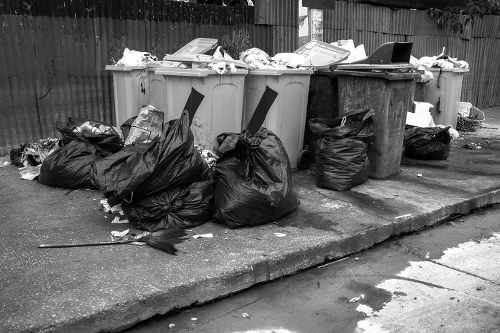
A good quotation starts with a simple, accurate description. Tell us what the garden contains, where the main waste is located and whether there are any awkward features such as steps, narrow side access, overgrown passages or items that need careful handling. If the clearance includes bulky branches, heavy bags or mixed waste, mention those points together so the scope is obvious from the outset. That helps the discussion stay focused and keeps the quote relevant to the actual work.
If the garden is cluttered in several places, it can help to identify the worst areas first and then note any smaller piles afterwards. Photographs can be useful, but a clear written summary is often enough to begin. The aim is not to over-explain, but to give enough detail for the work to be understood properly. Once the scope is clear, the next step is simply to decide whether the clearance should be booked as a single visit or discussed in stages.
If you would like to move ahead, contact us for a quotation and share the details of your garden clearance in Blackheath. We will use the information you provide to shape the job around the waste, the access and the result you want.