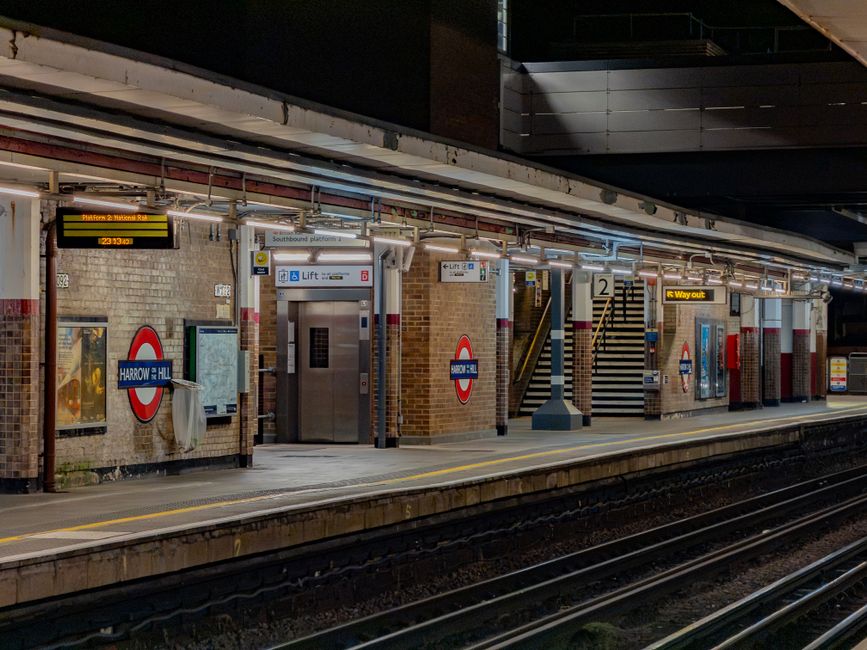
Westcombe Park station rubbish collection access and timing tips
If you are trying to organise a rubbish collection near Westcombe Park station, the details matter more than people expect. A skip might be too awkward, a pavement may be too narrow, and the timing can be the difference between a smooth five-minute load-up and a frustrating delay. In this guide to Westcombe Park station rubbish collection access and timing tips, we will walk through how access usually works, when collections are easiest to schedule, what to prepare in advance, and how to avoid the little problems that tend to appear at the worst moment. Truth be told, most waste jobs go well when the planning is boring and precise.
You will also find practical comparisons, a clear checklist, and a realistic example from a typical local clearance. If you need broader support with domestic or commercial waste, it can help to look at waste removal services, house clearance, or flat clearance depending on the type of load you are dealing with.
Key takeaway: near a station, the best rubbish collection is usually the one that plans for pedestrians, tight kerbs, short loading windows, and a clear handoff point before the vehicle arrives.
Table of Contents
- Why Westcombe Park station rubbish collection access and timing tips Matters
- How Westcombe Park station rubbish collection access and timing tips Works
- Key Benefits and Practical Advantages
- Who This Is For and When It Makes Sense
- Step-by-Step Guidance
- Expert Tips for Better Results
- Common Mistakes to Avoid
- Tools, Resources and Recommendations
- Law, Compliance, Standards, or Best Practice
- Options, Methods, or Comparison Table
- Case Study or Real-World Example
- Practical Checklist
- Conclusion
- Frequently Asked Questions
Why Westcombe Park station rubbish collection access and timing tips Matters
Westcombe Park station sits in an area where access can be more awkward than it first looks. Station roads often carry a mix of commuters, parked cars, delivery vans, cyclists, and pedestrians moving with purpose. That means rubbish collection near the station is rarely just a question of "turn up and load". It is about where the vehicle can stop, how long it can stay there, and what time the street is least disrupted.
This matters for two simple reasons. First, access affects cost and speed. If the team has to carry heavy waste farther than expected, or wait for a parking gap, the job becomes less efficient. Second, timing affects everyone else. A well-timed collection avoids blocking the flow around the station, reduces noise at awkward hours, and usually makes neighbours less grumpy. And let's face it, nobody wants to start the day by squeezing past a pile of old furniture on a narrow pavement.
It also matters for safety. Bags, broken items, and mixed waste can create trip hazards very quickly in a busy area. If you leave waste right beside a footpath near the station without clear access planning, you invite problems: clutter, lifting strain, and the kind of rushed handling that nobody really wants.
For local jobs, the best approach is usually to plan around the street rhythm. In practical terms, that means thinking about commuter peaks, school-run traffic, and any time when access near the station gets tighter. A small adjustment of an hour can make a big difference.
How Westcombe Park station rubbish collection access and timing tips Works
At a simple level, rubbish collection near Westcombe Park station works in three stages: access check, load plan, and timing window. The access check is about whether the collection vehicle can safely reach the pickup point or at least get close enough for efficient loading. The load plan is about what is being removed, how it is sorted, and whether anything needs special handling. The timing window is the slot when the job is least likely to be interrupted by traffic, parking pressure, or footfall.
In a residential street near a station, the collection might need to happen from a front drive, a shared forecourt, a side path, or a kerbside point. In a flat or terrace, the route from the property to the vehicle can be just as important as the vehicle's route to the street. One awkward gate, a tight bend, or a low branch can slow the whole thing down. You notice these things only when the sofa is already halfway out the door. Not ideal.
Timing usually follows a fairly sensible pattern. Earlier mornings often work well because the road is quieter before the commuter rush fully builds. Mid-morning can also be good in some streets once the station area clears slightly, though that depends on local parking behaviour. Late afternoons are often less predictable because people are coming home and stopping briefly everywhere they should not. That is not a criticism, by the way. It is just London.
If your load includes mixed household waste, furniture, or heavier items, it is wise to think ahead about sorting. Services such as furniture clearance or furniture disposal can be more efficient when bulky items are separated from bagged waste. The less time the crew spends untangling categories on a pavement, the better for everyone.
Key Benefits and Practical Advantages
Getting the access and timing right is not just about convenience. There are real practical benefits, and they tend to stack up quickly.
- Faster turnaround: a clear access route means less time spent moving waste from one point to another.
- Lower disruption: collections timed outside the busiest station periods are easier on neighbours, drivers, and pedestrians.
- Reduced risk of damage: fewer awkward manoeuvres means less chance of scratching walls, scuffing floors, or clipping a gatepost.
- Safer handling: a clean and direct loading route reduces carrying distance and strain.
- Better value: efficiency often leads to a smoother job, which is exactly what you want when paying for removal.
There is also a quieter benefit that people often overlook: better planning makes the whole experience feel less chaotic. You know where the bags are going, you know when the crew is arriving, and you are not standing outside in a half-open coat trying to explain which pile is which. Small thing, but it helps.
If you are managing waste from a larger property, office, or mixed-use space, the same logic applies. In those cases, office clearance and business waste removal can be useful starting points because they usually demand even tighter scheduling and tidier access than standard household jobs.
Who This Is For and When It Makes Sense
This topic is relevant for quite a wide group of people. If you are near Westcombe Park station and have waste to remove, there is a decent chance one of these scenarios sounds familiar.
- Flat residents: especially where stairs, shared hallways, or limited parking make the job more complicated.
- Homeowners: if the property is near a busy road or has no clear driveway access.
- Landlords and letting agents: when an end-of-tenancy clearance needs to happen quickly between occupants.
- Shop or office managers: if a clear-out must happen before trading hours or after staff leave.
- Builders and trades: when leftover rubble, timber, or packaging needs prompt removal to keep a site tidy.
It also makes sense if you are dealing with a one-off bulky item, such as a wardrobe, bed base, or old sofa. You may think the station area makes no difference for a single item. But it can. A sofa moved at the wrong time can be more awkward than a full van load moved at the right time. Timing is often the hidden variable.
For larger domestic clearances, you may want to compare options such as home clearance, house clearance, or loft clearance. If the problem space includes clutter, boxes, and long-forgotten items, these services usually fit better than a simple one-item pickup.
Step-by-Step Guidance
1. Identify the waste and separate it early
Start by grouping waste into sensible categories: bulky furniture, bagged rubbish, green waste, builders' debris, and anything that may need special care. You do not need to be perfect, but you do need to be organised enough that the collection team can tell what is what within a glance.
2. Check the access route from property to street
Walk the route before collection day. Look for narrow gates, stairwells, low ceilings, tight corners, awkward steps, and anything left in the way. If you have to carry items through a shared entrance, make sure it is kept clear. A couple of boxes left in the hall can become a real nuisance once the job starts.
3. Choose the best time window
Near Westcombe Park station, earlier in the day is often easier, particularly before commuter traffic builds. If you cannot do early morning, aim for a time when the station forecourt and surrounding side streets are less busy. Avoid planning around obvious peak periods if you can help it.
4. Make parking and stopping arrangements realistic
This is where many jobs wobble. If the vehicle cannot stop nearby, the crew may need extra time to move the waste safely. Think about whether the pickup point is on a narrow street, whether there are yellow lines, and whether another car could easily block the space. A clear stopping point makes everything simpler.
5. Put the waste where it can be collected quickly
Do not make the team guess which pile is going. Put the correct items together and keep access open. If the weather looks damp, cover suitable waste so it stays manageable. A soggy pile of cardboard or broken furniture is not anyone's idea of fun, frankly.
6. Confirm what happens with mixed loads
If you have mixed waste, ask how it will be handled. Some loads can be taken as general rubbish, while others may need sorting for recycling or separate handling. Reputable providers should explain this clearly rather than leaving you to interpret the process after the van has already arrived.
7. Leave a little buffer time
Stations, traffic, and parking can all shift the schedule a bit. A small buffer keeps the day calmer. If the crew arrives a touch earlier or later than expected, it should not derail your whole morning.
Expert Tips for Better Results
In our experience, the best collections near station areas are the ones that feel almost boring. No scrambling, no last-minute shift of furniture, no trying to squeeze a mattress through a doorway while someone is holding the front door open with one shoulder. Smooth jobs look easy because they were planned well.
Tip 1: If possible, photograph the waste and the access route before booking. Even a quick phone photo helps identify if there are stairs, narrow passages, or a loading issue that would otherwise be missed.
Tip 2: Try to avoid leaving waste outside too early. Near a station, waste placed on the pavement too soon can become cluttered, attract attention, or get in the way of passers-by. Better to stage it close to the agreed time.
Tip 3: Build the job around the least busy part of the street. Sometimes that means a slightly later pickup on one road and an earlier one on another. Local know-how matters here, and a lot.
Tip 4: If the clearance includes older furniture, check whether pieces can be dismantled safely first. A bed frame or wardrobe can often be easier to move in parts, which helps with staircases and narrow turnings.
Tip 5: Ask about recycling where relevant. If you are interested in reducing waste to landfill, a provider with a clear recycling and sustainability approach is often a better fit for environmentally conscious customers.
And one more small thing: do not underestimate the value of a clean path to the vehicle. A free walkway sounds obvious, but in real life it is often the thing people forget until they are stepping over a broom, a bike, and a rogue bag of old magazines. Not the best start.
Common Mistakes to Avoid
- Booking too close to peak station activity: you may save ten minutes of planning and lose half an hour on the day.
- Leaving everything in one mixed pile: sorting on the spot slows the work and can cause mistakes.
- Blocking access with parked cars: even one car in the wrong place can make a short job unnecessarily difficult.
- Ignoring stairs or turns: the route matters just as much as the waste itself.
- Forgetting about shared spaces: hallways, communal entrances, and front paths should be kept clear.
- Assuming any time of day will do: timing can be the difference between a neat collection and a frustrating one.
A surprisingly common mistake is to focus only on the amount of rubbish and not the shape of the job. A small load in a difficult location can take longer than a larger, neatly staged load with good access. That is the kind of thing people only learn once, usually.
Tools, Resources and Recommendations
You do not need much in the way of specialist kit, but a few practical items can make the process easier.
- Strong sacks or boxes: useful for keeping lighter waste together.
- Gloves: especially if you are moving mixed rubbish or older items with rough edges.
- Basic tape measure: handy for checking whether bulky items will fit through a doorway or hallway.
- Phone camera: excellent for taking access photos before collection day.
- Marker labels: helpful if different waste types are being separated.
If you are still deciding what sort of clearance you need, browsing service pages can help you match the job more accurately. For example, garage clearance suits cluttered storage spaces, garden clearance suits outdoor debris and cuttings, and builders waste clearance is a better fit for construction leftovers such as rubble, plasterboard, timber, and packaging.
If you want to understand the company background before booking, it can also help to read about us and, when you are ready to discuss your job, use the contact page for an initial enquiry. For pricing questions, the pricing and quotes page is a sensible place to start.
Law, Compliance, Standards, or Best Practice
Waste collection in the UK comes with responsibilities, and it is wise to treat them seriously. You do not need to become a legal expert to arrange a rubbish collection, but you should expect proper handling, safe loading, and responsible disposal. If a provider is moving waste on your behalf, the general expectation is that it is transported and processed in a way that aligns with current UK waste-handling practice.
For a station area like Westcombe Park, best practice also includes keeping pavements passable, avoiding unsafe obstruction, and reducing the chance of spill or sharp debris escaping during loading. If waste is likely to be awkward, heavy, or potentially hazardous, that should be discussed upfront. Nothing fancy. Just clear, honest communication.
Another useful standard is documentation. For business-related jobs, especially, it is sensible to ask how records, invoices, or collection details are handled. If you are arranging something through a company, you may also want to review terms and conditions, insurance and safety, and the health and safety policy so you know what is covered and what is expected.
For those concerned about ethical disposal and environmental responsibility, it is reasonable to ask whether recyclable materials are separated where possible and whether the provider follows a sustainability-led approach. It is not about grand statements. It is about everyday diligence, the kind that prevents avoidable waste from being dumped into the wrong stream.
Options, Methods, or Comparison Table
Not every clearance near the station needs the same method. The right choice depends on the type of waste, how much you have, and how awkward the access is. Here is a practical comparison.
| Method | Best for | Access needs | Timing sensitivity | Notes |
|---|---|---|---|---|
| Small scheduled collection | Single items or light loads | Low to moderate | Moderate | Good when the street is fairly calm and the load is straightforward. |
| Full property clearance | Multiple rooms or a large declutter | Moderate to high | High | Works best with a clear route, grouped waste, and a planned loading point. |
| Bulky-item removal | Sofas, beds, wardrobes, appliances | High if stairs or tight turns are involved | High | Timing matters because large items can slow access if the street is busy. |
| Business waste removal | Offices, shops, shared workspaces | Usually controlled, but parking can still be awkward | Very high | Best booked outside peak footfall and before opening hours where possible. |
| Builders waste clearance | Renovation debris and site leftovers | Moderate | High | Fast access and tidy staging help keep the job clean and safe. |
If you are unsure which method fits, start from the waste type and the access route, not the other way around. People often do that backwards. It happens.
Case Study or Real-World Example
A typical local example: a first-floor flat near Westcombe Park station needed a mixed collection after a tenancy ended. There were two chairs, a dismantled bed frame, several bags of general rubbish, and a small amount of packaging from a new sofa delivery. The access looked fine at first glance, but the building had a narrow shared stairwell and a front area that filled up quickly in the morning.
The fix was simple, though not glamorous. The residents grouped all bagged waste by the front door, dismantled the bed frame the day before, and arranged the collection for an early mid-week slot before the commuter rush intensified. They also made sure a neighbour's car was not blocking the frontage. No drama, no long carry, no awkward waiting. The job was over quickly, and the flat was ready for cleaning that same afternoon.
What made the difference was not brute force. It was timing and access planning. The crew could move directly from the doorway to the vehicle, and there was no need to thread large items through a busy pavement while people hurried for the station. That is the real lesson here. A little preparation saves a surprising amount of effort.
Practical Checklist
- Identify all waste items before collection day.
- Separate bulky items from bagged rubbish.
- Measure any awkward furniture or access points.
- Keep hallways, driveways, and entrances clear.
- Choose a time that avoids the busiest station periods.
- Check for parking or stopping constraints near the property.
- Break down dismantlable items if it is safe to do so.
- Stage waste as close as practical to the agreed loading point.
- Keep sharp or loose materials secure.
- Review any relevant service details before booking.
If you are dealing with a room that has become more of a storage unit than a living space, do not panic. Start with one corner. Then another. The job gets easier once the first pile is under control.
Conclusion
Westcombe Park station rubbish collection access and timing tips really come down to one thing: reducing friction. The better the access route, the cleaner the timing window, and the more clearly the waste is staged, the smoother the collection will be. Near a busy station, that kind of planning is not a luxury. It is the difference between a tidy job and a messy one.
Whether you are clearing a flat, a family home, a garden store, or an office, the same habits help every time: prepare early, think about the street, and make the collection as direct as possible. Keep it simple, keep it safe, and give yourself a little breathing room. It makes the day far less stressful.
Get a free quote today and see how much you can save.
If you want to learn more about the company behind these services, visit the about us page, check the recycling and sustainability approach, or make an enquiry through the contact page. Sometimes the simplest next step is the best one.
Frequently Asked Questions
What is the best time for rubbish collection near Westcombe Park station?
Earlier in the day is often the safest bet because the station area is usually less congested before commuter traffic builds up. Mid-morning can also work, depending on parking and road use. The key is choosing a window that avoids the busiest pedestrian and vehicle flow.
Does access matter more than the amount of rubbish?
Often, yes. A small load in a very tight location can take longer than a larger load with easy access. Stairs, narrow gates, and awkward parking can all affect how smoothly the collection goes.
Should I leave rubbish outside the night before?
Usually not, especially near a station or busy street. Waste left out too early can get in the way, attract attention, or become a nuisance for passers-by. It is generally better to stage it close to the agreed collection time.
What if the van cannot park directly outside?
That is common in urban areas. If the vehicle has to stop a short distance away, the collection team may need extra loading time. Clear communication beforehand helps set realistic expectations.
Can I mix furniture, bags, and garden waste in one collection?
Yes, in many cases you can, but it helps to separate items into neat groups. Some loads are easier to process when bulky furniture, general waste, and green waste are clearly sorted.
How do I prepare a flat near the station for rubbish collection?
Keep corridors clear, group items near the exit where possible, and dismantle large items safely if that makes them easier to move. If the building has shared access, make sure neighbours are not blocked in.
Is timing different for business waste near Westcombe Park station?
Usually it is. Business waste removal often works best outside opening hours or before the busiest part of the day. That reduces disruption and makes access easier for everyone involved.
What should I check before booking a clearance service?
Check what type of waste you have, whether access is straightforward, and whether there are any parking or entry issues. It is also sensible to review the provider's pricing, safety, and service terms before confirming.
Do I need to sort items for recycling first?
It depends on the provider and the waste type, but a little sorting never hurts. If you want to reduce waste and improve recycling outcomes, separating obvious recyclables and keeping materials clean can help.
What happens if there is bad weather on collection day?
Light rain is usually manageable, but heavy rain or high winds can make access and handling more awkward. Covering suitable waste in advance and keeping routes clear helps, but it is always worth checking whether the schedule needs a small adjustment.
Are there special considerations for bulky items like beds or sofas?
Yes. Bulky items often need more space, better turning room, and a bit of dismantling. Measuring doors and stairwells beforehand can save a lot of hassle later.
How can I keep the collection safer for neighbours and pedestrians?
Make sure nothing spills onto the pavement, keep the route direct, and avoid blocking shared access or station foot traffic. Good timing and tidy staging are the simplest safety measures, and honestly the most effective ones too.